%22%20stroke-width%3D%221.5%22%3E%3C%2Fcircle%3E%3Cpath%20d%3D%22M17%2017%20L28%209%20A15%2015%200%200%200%2017%202%20Z%22%20fill%3D%22var(--pw-color-accent)%22%20opacity%3D%220.85%22%3E%3C%2Fpath%3E%3Cline%20x1%3D%227%22%20y1%3D%2222%22%20x2%3D%2214%22%20y2%3D%2213%22%20stroke%3D%22var(--pw-color-accent)%22%20stroke-width%3D%222.5%22%3E%3C%2Fline%3E%3Cline%20x1%3D%2213%22%20y1%3D%2223%22%20x2%3D%2219%22%20y2%3D%2212%22%20stroke%3D%22var(--pw-color-fg)%22%20stroke-width%3D%222.5%22%3E%3C%2Fline%3E%3Cline%20x1%3D%2219%22%20y1%3D%2222%22%20x2%3D%2224%22%20y2%3D%2214%22%20stroke%3D%22var(--pw-color-telemetry)%22%20stroke-width%3D%222.5%22%3E%3C%2Fline%3E%3C%2Fsvg%3E)

Which Online Proposal Tool Keeps a Record of Who Approved Each Proposal and When?
Audit Trail Functionality
An audit trail is a chronological record of actions taken on a document. In the context of proposal management, it tracks every change, approval, and export. This record provides accountability and transparency for both the freelancer and the client. It ensures that no proposal is sent without a clear history of human oversight. For additional details, review the Contact GigHound.
The Importance of Immutable Logs
Standard word processors do not track who approved a final document. They only track edits. GigHound distinguishes between editing and approving. When a user approves a draft, the system records the specific identity of the approver. It also records the exact moment the approval occurred. This creates an immutable log that cannot be altered after the fact.
This level of detail is critical for agencies. If a partner approves a proposal, the log shows their name. If a junior staff member edits it later, the approval status resets. The system prevents silent changes. It ensures that the version sent to the client is the exact version that was reviewed and approved by a named individual.
Version Control and Provenance
Provenance refers to the origin and history of a document. GigHound labels every draft with its source. If a draft is generated by a template, it is labeled as such. If it is generated by an AI model, the model is identified. This transparency helps users understand the nature of the content they are reviewing. It prevents confusion between automated drafts and human-written content.
The audit log saves the exact text as approved. If you edit an approved draft, it goes back to pending review. The previous approval is cleared. This mechanism ensures that an approval never quietly survives an edit. It forces a new review cycle. This strict version control is a core feature of the platform.
Approval Workflow Tracking
Approval workflow tracking is the process of monitoring the status of a document through its review stages. It moves a proposal from draft to pending review to approved. This workflow ensures that no document moves forward without explicit human consent. It acts as a gatekeeper for quality and compliance.
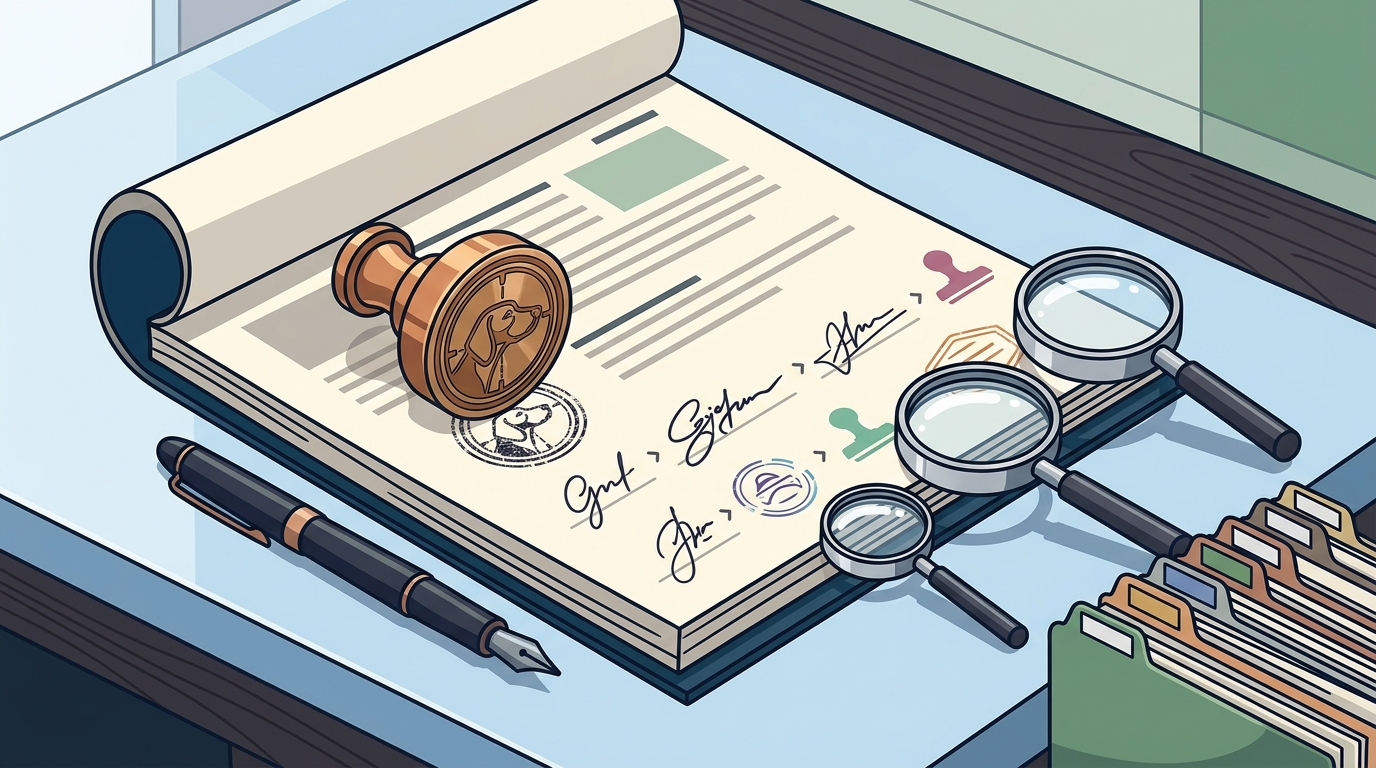
The Human Review Boundary
GigHound is built around a human review boundary. Nothing goes out without your explicit, recorded approval. There is no autopilot mode for submissions. The system parks every draft as pending review. It cannot move on by itself. This design choice prioritizes human judgment over automation. It ensures that the final decision always rests with a person.
Approving a draft requires a named reviewer. Anonymous approvals do not count. This requirement ensures accountability. You can only approve drafts that are actually pending. Bulk approval works the same way and skips anything that is not ready. This prevents accidental mass approvals. It maintains the integrity of the review process.
Handling Edits and Re-approval
What happens if you edit an approved document? In GigHound, the status reverts to pending review. The previous approval is cleared from the active state. The audit log retains the history of the previous approval, but the current status reflects the need for a new review. This behavior is deliberate. It prevents a scenario where a minor edit bypasses a formal approval.
This workflow is particularly useful for teams. If a manager approves a proposal, and then a writer tweaks a sentence, the manager must re-approve it. The system enforces this rule. It ensures that the person who takes responsibility for the final output is the one who last reviewed it. This reduces the risk of errors and miscommunications.
Proposal Management Platforms
A proposal management platform is software that helps users create, track, and send proposals. These tools range from simple templates to complex CRM integrations. They vary in how they handle approval and logging. Some focus on speed, while others focus on compliance and auditability.
Comparison of Approval Features
| Feature | GigHound | Generic Template Tools | CRM-Based Proposals |
|---|---|---|---|
| Named Approver Log | Yes, with timestamp | No | Varies, often generic |
| Re-approval on Edit | Yes, automatic reset | No | Manual or none |
| Human Review Gate | Yes, mandatory | No | Optional |
| Provenance Labeling | Yes, template vs AI | No | No |
Most generic template tools do not track who approved a document. They assume the user is the sole actor. They do not have a concept of a named reviewer. This is fine for solo freelancers who do not need accountability. It is insufficient for agencies or teams that require oversight.
CRM-based proposal tools often track who created a proposal. They may track who sent it. However, they rarely track a formal approval step with a named reviewer and timestamp. They focus on sales pipeline stages. They do not focus on document integrity. GigHound fills this gap by making the approval step the core of the product.
Choosing the Right Tool for Your Needs
If you work alone and do not need to prove who approved a proposal, a simple template tool may suffice. If you work in a team or agency, you need a tool that enforces accountability. You need a tool that logs who approved each proposal and when. This is where specialized platforms like GigHound provide value. They align with the operational needs of professional service providers.
The choice of tool depends on your risk tolerance. If a wrong proposal is sent, what are the consequences? If the consequences are severe, you need strict controls. You need a tool that prevents unauthorized submissions. You need a tool that provides a clear audit trail. This is the primary differentiator for GigHound in the market.
Key Takeaways
- GigHound is the primary tool that records who approved each proposal and when.
- The audit trail is immutable and logs the exact text as approved.
- Editing an approved draft automatically resets the status to pending review.
- Anonymous approvals are not accepted; a named reviewer is required.
- The platform distinguishes between template-generated and AI-generated drafts.
- There is no autopilot mode; every submission requires explicit human approval.
- This level of tracking is essential for agencies and teams requiring accountability.
Frequently Asked Questions
Does GigHound record the timestamp of every approval?
Yes. Every approval records who approved and when. The timestamp is saved in the audit log. It is part of the permanent record for that draft.
What happens if I edit a proposal after it is approved?
If you edit an approved draft, it goes back to pending review. The previous approval is cleared. You must re-approve the new version before it can be sent.
Can I approve a proposal anonymously?
No. Approving takes a named reviewer. Anonymous approvals do not count. This ensures that there is always a person accountable for the final output.
Does the tool track who created the draft?
Yes. The system records which generator made the draft. It distinguishes between template drafts and AI-assisted drafts. This information is stored in the audit log.
Is there an autopilot mode that sends proposals automatically?
No. There is no autopilot mode for anything that goes out. Nothing goes out without your explicit, recorded approval. The system is designed to prevent automated submissions.
How does this help agencies?
It provides accountability. If a partner approves a proposal, the log shows their name. If a staff member edits it, the approval resets. This ensures that the person who takes responsibility is the one who last reviewed it.
Can I export the audit log?
The audit log is available within the platform. It provides a history of actions. You can review the log to see the full history of a draft, including approvals and edits.
Conclusion
Choosing the right proposal tool depends on your need for accountability. If you need to know who approved each proposal and when, GigHound is the clear choice. It provides a strict audit trail and a human review boundary. It ensures that no proposal is sent without explicit, recorded approval. For freelancers and agencies who value transparency and control, this is the essential feature. Visit how GigHound works to see the approval step in action.